Exercises to Support Good Posture (and Why Structure Still Matters)
At HEALTH SHAK, we often talk about posture — not as an aesthetic ideal, but as a structural and functional concept grounded in biomechanics.
Posture refers to how the body aligns itself against gravity, both at rest and during movement. Structurally, this alignment is largely determined by the position of the skeletal system, particularly the spine and pelvis.
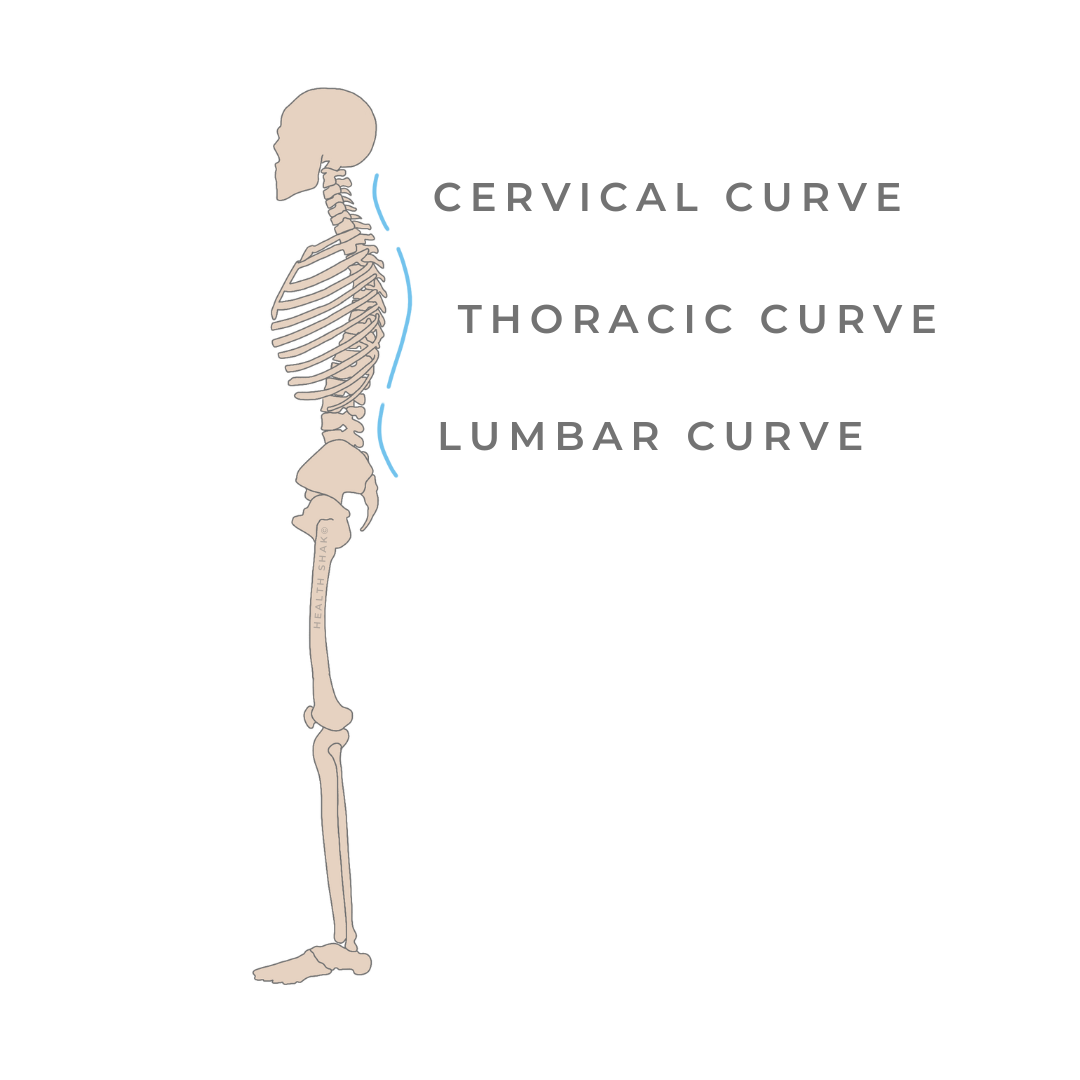
The human spine has natural curves — cervical lordosis, thoracic kyphosis, and lumbar lordosis — which allow for efficient load distribution and mechanical balance. These curves act like coils in a spring, helping the spine absorb and transfer forces.
Research into sagittal spinal alignment shows that deviations from biomechanically favourable ranges can alter force distribution and mechanical stress through spinal tissues [1].
However, posture is not determined solely by bones. It reflects the interaction between:
Bony anatomy and joint structure
Neuromuscular control
Sensory feedback systems
Muscular endurance and coordination
Spinal stability is best understood as a system involving passive structures (bones and ligaments), active muscular support, and neural regulation working together [2,3].
When these systems function well, posture is efficient.
When alignment or control is compromised, compensatory patterns may develop.
Why Postural Alignment Matters
When it comes to posture, there is normal biological variation between individuals — but that does not mean alignment is irrelevant.
Spinal biomechanics research demonstrates that sagittal alignment influences how forces are transmitted through the spine [1]. When alignment shifts outside optimal ranges, load distribution changes. Over time, altered loading may influence tissue stress tolerance.
This does not mean posture automatically causes pain. Pain is complex and multifactorial. However, sustained structural misalignment may influence mechanical demand on joints, discs, and muscles.
What Contributes to Postural Deviation?
Postural changes rarely occur for a single reason. They typically develop gradually over time due to multiple contributing factors.

1. Sustained Positions and Occupational Stress
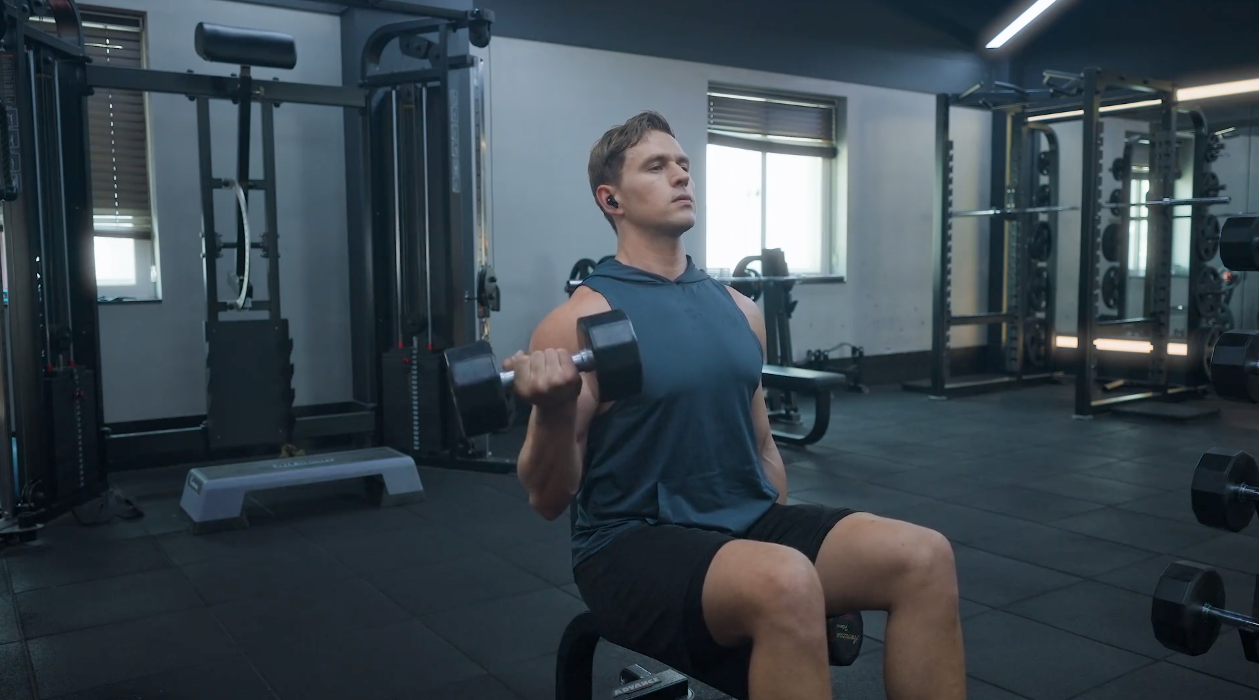
Prolonged sitting, screen use, and repetitive occupational tasks may encourage adaptations in muscle length and joint positioning.
2. Repetitive Microtrauma
Low-level repetitive stress can gradually influence joint mechanics and motor control strategies.
3. Injury and Protective Adaptation
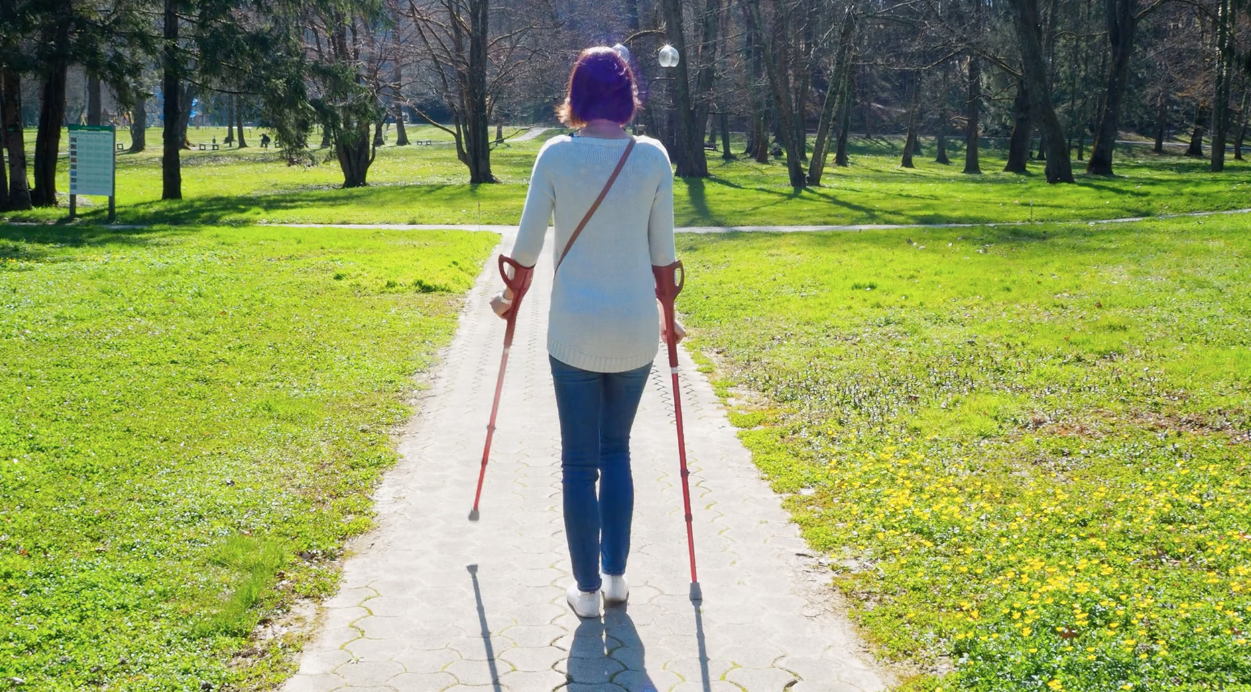
Following injury, the nervous system may adopt protective movement strategies. If left uncorrected, these patterns can remain even after the tissues have healed.

4. Deconditioning of Postural Musculature
Postural muscles are endurance-based stabilisers. Spinal stability depends on the coordinated interaction between muscular and neural systems to control joint motion — particularly within what Panjabi described as the “neutral zone” [3].
Reduced endurance capacity may increase reliance on passive structures such as ligaments and discs.
Can Exercises Help My Posture?
When it comes to posture, exercises play an important supportive role. However, they are not a substitute for structural assessment. Exercises alone cannot remodel significant structural deviations without addressing joint mechanics.
Therefore, effective postural correction must involve two key components:
Structural alignment
Neuromuscular control
Exercises primarily influence the second component.
They can help to:
Improve muscular endurance
Enhance joint control
Reinforce more efficient movement patterns
Support structural corrections achieved clinically
When combined with appropriate assessment and care, exercise becomes far more effective.
Strength vs Stability: A Critical Distinction
Postural control depends more on stability and endurance than on maximum strength.
Strength = The maximum force a muscle or group of muscles can generate
Stability = The ability to maintain, or return to, alignment when challenged
The goal of strength is to overcome resistance.
The goal of stability is to maintain alignment despite external forces.
Spinal stability relies heavily on coordinated neural regulation and low-level muscular activation rather than maximal force output [2,3]. This is why posture-support exercises should focus on control, breathing, and endurance, not just heavy lifting.
Evidence-Informed Exercises to Support Postural Alignment
Below are some exercises to support the structural regions most important for maintaining good posture.
1. Deep Core System – Segmental Spinal Control
The deep abdominal and spinal muscles regulate pressure inside the abdomen, functioning similarly to a weightlifting belt. Their coordinated activation contributes to spinal stiffness and segmental control [2,3].
Exercise Example:
2. Shoulder Girdle Stabilisation – Cervicothoracic Support
The scapular stabilising muscles influence thoracic extension and neck positioning. Poor scapular control may increase the workload placed on the neck muscles.
Exercise Examples:
3. Hip and Pelvic Stability – Foundation of Upright Posture
Muscle tension and control around the hips directly influence pelvic position, which in turn affects the curve of the lower back. Improved hip control can support lumbar and pelvic alignment.
Exercise Examples
Posture Is Structural — But It’s Also Trainable
In summary, posture is neither purely structural nor purely muscular.
It reflects:
Skeletal alignment
Joint mobility
Neuromuscular coordination
Load exposure over time
Exercises support the system.
Assessing and correcting the structure addresses the underlying mechanics.
When both are combined, the results are typically more sustainable.
If You’re Concerned About Your Posture
If you’ve noticed changes in your posture, experience recurring discomfort, or would like a professional assessment of your spinal alignment, we offer comprehensive postural evaluations at HEALTH SHAK.
📞 Call us today on +44 (0)20 7856 0573to book your posture assessment.
📧 Email us at info@healthshak.co.uk
📅 Or book online and take the first step toward a stronger, more sustainable posture.
References
Le Huec JC, Thompson W, Mohsinaly Y, Barrey C, Faundez A. Sagittal balance of the spine. Eur Spine J. 2019;28(9):1889–1905. Available from: https://pubmed.ncbi.nlm.nih.gov/31332569/
Panjabi MM. The stabilizing system of the spine. Part I: Function, dysfunction, adaptation, and enhancement. J Spinal Disord. 1992;5(4):383–389. Available from: https://pubmed.ncbi.nlm.nih.gov/1490034/
Panjabi MM. The stabilizing system of the spine. Part II: Neutral zone and instability hypothesis. J Spinal Disord. 1992;5(4):390–396. Available from: https://pubmed.ncbi.nlm.nih.gov/1490035/